
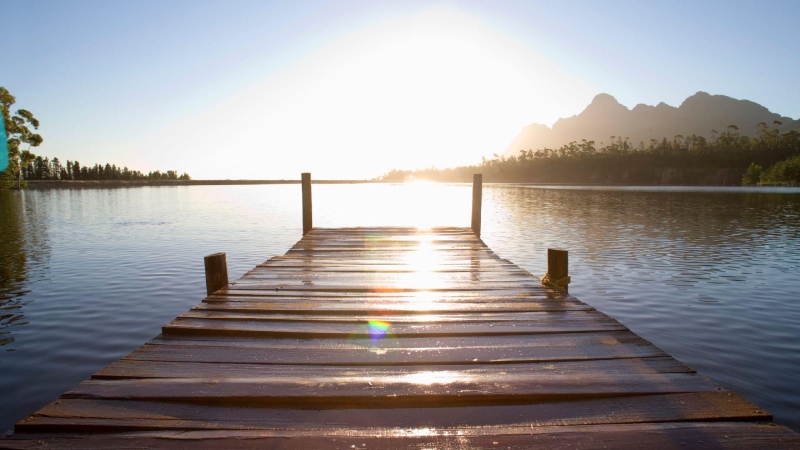
Whether you own a lakeside cottage, operate a waterfront business, or simply love spending time by the water, a high-quality dock can transform your shoreline experience. From improving accessibility to enhancing safety and increasing property value, well-planned docks play a crucial role in how efficiently and comfortably you use your waterfront space. Many property owners start by researching Docks installation to understand what goes into building a structure that can withstand harsh weather conditions, water movement, and heavy use. At the same time, learning about reputable Docks construction services early in the process helps ensure the project begins on the right foot.
Planning Your Dock: Purpose and Design
Dock installation is much more than simply anchoring a platform to the shoreline. It involves assessing site conditions, selecting appropriate materials, understanding local regulations, and designing a layout that meets both functional and aesthetic needs. Each waterfront is unique, shaped by water depth, bottom composition, seasonal changes, and environmental considerations. This is why professional input can significantly influence the long-term success of the structure. A well-installed dock not only lasts longer but also reduces repair costs and maintenance frequency.
One of the first steps in planning a new dock system is determining its purpose. Some homeowners want a simple platform for fishing or launching kayaks, while others need a robust structure capable of supporting boats, lifts, and accessories. Commercial waterfronts may require even more durable installations that can accommodate higher foot traffic and larger vessels. Clearly defining your needs early on sets the stage for every decision that follows, especially when choosing between floating, stationary, or hybrid dock systems.
Types of Docks: Floating, Stationary, and Hybrid
Floating docks are popular for lakes and fluctuating water levels because they rise and fall with the surface. They offer flexibility, are relatively easy to maintain, and can be rearranged if needed. Stationary docks, anchored with pilings or footings, provide greater stability and are ideal for areas with strong currents or high winds. Hybrid systems combine elements of both and are useful when conditions vary across the shoreline. Understanding these options helps ensure your final installation meets your daily usage requirements.
Choosing the Right Materials for Longevity
Material choice is another important factor in dock longevity. Traditional wood offers a natural, classic appearance but requires routine sealing and upkeep. Modern composite materials resist rot and fading, making them a low-maintenance alternative with a long lifespan. Aluminum docks are lightweight, durable, and resistant to corrosion, often making them a preferred choice for both residential and commercial applications. Each material brings its own benefits, so it’s essential to consider durability, maintenance, cost, and appearance when making your selection.
Site Preparation and Compliance
Site preparation is a critical phase that should not be overlooked. Before installation begins, the shoreline and underwater terrain must be evaluated. This includes measuring water depth, checking for rocks or debris, and assessing how seasonal weather patterns influence water movement. In some regions, permits are required to build or modify docks. Staying informed about local regulations helps avoid delays and ensures the project complies with environmental and safety standards. Professionals can assist with these steps, ensuring everything is done correctly and efficiently.
The Dock Installation Process
Once the planning and preparation are complete, the installation process can begin. A successful installation requires precise measurements, secure anchoring, and proper alignment to ensure safety and performance. Depending on the type of dock, this may involve setting pilings, assembling modular components, attaching floats, or installing gangways and ramps. Skilled installers use specialized tools and techniques to make sure the structure remains strong and stable even under challenging conditions.
Maintenance Tips for Long-Lasting Docks
After the dock is fully installed, regular maintenance becomes essential. Even the best-built docks need periodic inspections to check for loose fasteners, damaged boards, or shifting components. Seasonal weather can impact dock integrity, especially in areas prone to storms or freezing temperatures. Simple tasks such as cleaning debris, tightening connections, and applying protective treatments can significantly extend the life of your dock. Floating docks may require adjustments to anchoring systems, while stationary docks need periodic evaluation of pilings and footings.
Enhancing Your Dock with Accessories
Along with functionality, many property owners focus on enhancing the overall appearance of their docking area. Adding accessories like benches, ladders, lighting, bumpers, or railings creates a more comfortable and inviting space. Boat lifts and storage racks help protect equipment, while non-slip surfaces improve safety for family members and guests. Customizing the layout and accessories allows you to transform a basic dock into a personalized waterfront retreat.
Environmental Considerations in Dock Installation
Environmental impact is another important consideration. Modern dock practices emphasize environmentally friendly materials and installation methods that minimize disruption to aquatic ecosystems. Choosing materials that do not leach chemicals, avoiding excessive shading that could affect underwater vegetation, and ensuring proper anchoring techniques all contribute to protecting local wildlife and water quality. Sustainable dock planning supports both your long-term enjoyment and the health of the environment.
Making the Most of Your Waterfront Investment
For many homeowners, investing in a dock is not only about practicality but also about creating memorable waterfront experiences. A thoughtfully designed dock provides a gathering place for family activities, relaxation, and outdoor recreation. Whether you enjoy early morning fishing, afternoon boating, or evening sunsets by the water, the quality of your dock plays a major role in the overall experience.
Working with professional installers provides peace of mind, knowing the structure is built to last and tailored to your specific needs. Experts bring knowledge, efficiency, and craftsmanship to every stage of the project, ensuring that your dock remains safe, functional, and visually appealing for many years. From initial planning to final installation and ongoing support, a trusted service provider can make the entire process smooth and stress-free.
Conclusion
In the end, a well-designed dock is an investment in your property, your safety, and your enjoyment of the waterfront. Taking the time to understand the installation process, choosing high-quality materials, and partnering with professionals are all key steps toward creating a dock that truly enhances your shoreline lifestyle. With thoughtful planning and proper care, your dock will serve as a reliable and beautiful addition to your waterfront for seasons to come. Visit Techflexor.com for more details.