
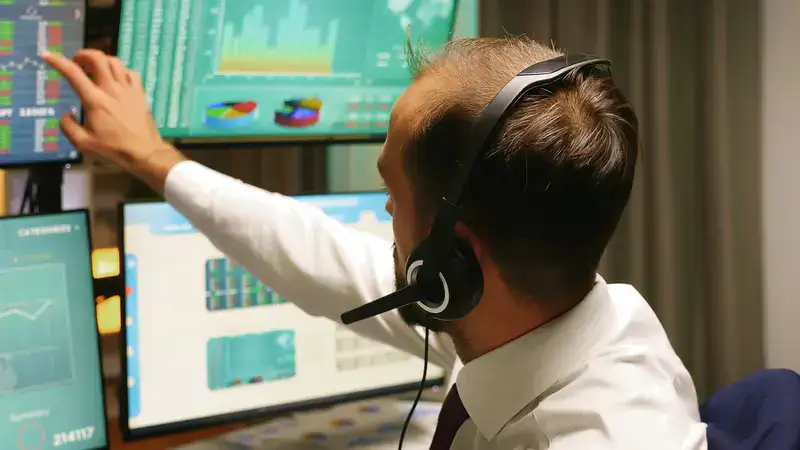
In the modern digital age, a crisis may break and travel in a few minutes. The capability to monitor, analyze, and react to events as they happen is not only desirable to government entities and other public institutions, but it is also necessary. Real Time media monitoring has emerged as a strategic requirement of the public sector agencies to ensure that they continue to enjoy the trust of the people, overcome emergencies and handle policy communications in an effective manner.
Whether it is natural disasters and health alerts, misinformation and political unrest, and so on, public agencies have to deal with a continuous flow of fast-moving challenges. The conventional media monitoring is inadequate in this environment. This is where real-time media monitoring comes in, offering government agencies with the latest information, analysis of the mood of the people, and the resources to make sound decisions at the time of need.
Real-Time Media Monitoring What Is It?
Real time media monitoring is the process of gathering and analyzing content of news sources, social media, blogs, forums, and broadcasts as they are published. Through media monitoring services and AI-powered tools, public agencies will be able to identify breaking news, viral stories, and changes in the opinion of the masses in real-time.
Media monitoring services designed to operate in real-time environments, unlike traditional tracking systems, which can have lags of hours, will provide real-time alerts that contain keywords, topics, or agency names in the media. This allows teams in the public sector to react fast, be it to counter misinformation, to address a crisis, or to influence policy messaging.
The Reason Why Public Agencies Require Real-Time Media Monitoring
1. Detection and Response to Crisis
Crises have many faces: wildfires and pandemics, infrastructure failures and political protests, and all of them require urgent response. The real time media monitoring enables emergency management teams and the public information officers to identify the events as they occur in the media scene.
Agencies can also get immediate notifications of an unfolding incident, track the coverage of the same, and adjust their response accordingly. Real-time insights are important whether it comes to issuing warnings, publishing clarifications, or deploying resources: every second matters.
2. Combating Misinformation
Fake news travels quickly- particularly in times of emergencies or when introducing a sensitive policy. Social media increases the volume of rumors and fake assertions, endangering the security and confidence of the people.
Government agencies are able to track online discussions and identify misleading information in real time with the help of media intelligence services. Early detection of misinformation enables the public health departments, law enforcement and political entities to tackle the misinformation before it gets out of hand, while businesses can benefit from supportive solutions like expert employment law services to navigate compliance and workforce challenges effectively.
3. Sentiment Analysis of the Public
It is important to know how the people feel about a policy, decision or event in order to create consensus and trust. Media monitoring tools allow agencies to evaluate sentiment in various media, which will allow them to understand the mood of the community and adjust messaging accordingly.
This is particularly useful in periods of social upheaval, elections or significant changes to legislation. Governments can also be able to respond more in line with the expectations of the people by listening to them in real time.
4. Communication and Engagement of Policy
The communication of new policies or initiatives in the public sector is usually not done effectively. They are able to monitor the reception of their communications in various platforms and demographics with the help of media monitoring services.
In case a message about public health is not working, or a transportation program is being misunderstood, the agency can change its approach in real-time, based on real-time data provided by media sources.
5. Reputation Management
Even governmental organizations have to control their reputations. Credibility can be destroyed in a moment by a misquoted official, a misunderstood statement or a leaked document. The media monitoring platforms provide agencies with the means to monitor when their departments and leaders are mentioned, identify reputational risks in the early stages, and address them before the problem can develop further.
Main Characteristics of Media Monitoring Tools to be Used in the Public Sector
The monitoring systems must be specific to the challenges of the public institution. The most popular media monitoring services to be used by the government usually have the following features:
- Real-time alerts based on specific keywords (e.g., agency name, specific policy, geographic region)
- Sentiment analysis to monitor positive, negative or neutral tone
- Multilingual media coverage to track national and international discourses
- Combining emergency response dashboards
- Trend analysis and reporting through historical media archives
These capabilities allow government users to make decisions quicker, more accurately and have better situational awareness.
Hypothetical example of a Real-World scenario (Hypothetical)
Consider a state-level emergency service that has to react to the news of a toxic leakage close to a water source. In a few minutes, tweets, videos, and news are all over the place, some of them correct, some of them speculative. These mentions are highlighted by a real-time media monitoring system, which allows the agency to provide verified updates, dispel misinformation, and refer citizens to official sources.
In absence of real-time monitoring, the agency would be left behind in perception of the people and this might enable panic or confusion to set in. They can take back the narrative and safeguard the health of the population better with it.
The advantages in a nutshell
- Quick reaction to new events
- Better precision in the communication with the masses
- Active misinformation management
- Greater trust by being open
- Evidence-based policy and emergency management
Suggested Read: News monitoring
Conclusion
Real time media monitoring has become a mission-critical tool in the public sector agencies in the age of fast information flow. Government agencies need to be on the media pulse at all times whether it is to deal with crises, inform the populace or safeguard institutional credibility.
With the help of the modern media monitoring services, tools, and platforms, public institutions will be able to shift the crisis to control, making sure that the facts, rather than fear, will dictate the reaction of the population. By doing so they create better and stronger communities that are ready to meet the challenges of a connected world.