
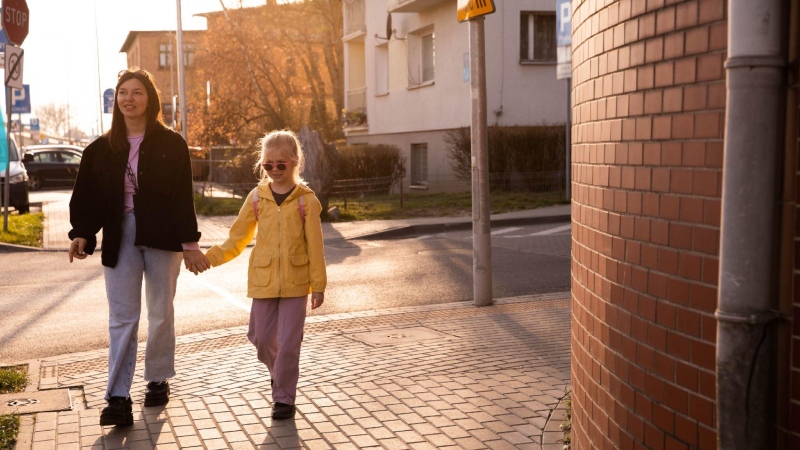
You step outside your front door, and within a 15-minute walk you’ve got a grocery store, a coffee shop, a school, maybe even a yoga studio if you’re into contorting yourself in public. No car needed. No sitting in traffic regretting your life choices. Just your two feet and maybe a bike if you’re feeling ambitious.
That’s the whole idea behind the so-called 15-minute city. And if you’ve noticed lately, people can’t stop talking about it. Urban planners love it, renters want it, and property values in these kinds of neighborhoods? Well, let’s just say they’re not going down anytime soon.
But before you picture some futuristic, utopian paradise where everyone smiles and bikes in slow motion, let’s ground this a little. Walkability isn’t new. What’s new is the way buyers and renters are actually willing to pay more for it, and how property managers are starting to recognize it as a feature worth marketing, not just a nice bonus.
Why Walkability Feels Like the New Luxury
Think about it. For decades, “luxury living” meant granite countertops, stainless steel appliances, maybe a pool no one really used. But the pandemic changed priorities. Suddenly, being able to walk to a grocery store without dodging three highways mattered more than quartz counters.
And here’s the kicker. Studies show that homes in highly walkable neighborhoods can command price premiums. According to Earnest Homes, buyers and renters are making walkability a top factor in their housing decisions, and in turn, property values in these areas are holding strong, even when other markets cool. It’s not just a fad. It’s economics meeting human convenience.
For property managers, this is gold. Or maybe I should say it’s like a well-maintained sidewalk, reliable, solid, and leading somewhere people actually want to go.
The Ripple Effect on Real Estate Values
If a city (or even a small pocket of it) manages to build out this 15-minute lifestyle, property values tend to rise. Not in a straight line, of course. Some areas see sudden spikes, others creep up more gradually. But the pattern repeats.
According to Wurth PM, neighborhoods that emphasize walkability don’t just attract buyers, they hold onto them longer. That means fewer swings in property value during downturns. And if you’ve ever tried riding out a real estate cycle, you know stability is the rarest luxury of all.
To be fair, not every “walkable” neighborhood feels like a dream. Some have coffee shops but no decent grocery. Others have schools but terrible transit. It’s a balancing act. But even an imperfect 15-minute city often beats sitting in traffic for 45 minutes each way.
What It Means for You (Yes, You)
If you’re renting, walkability means you get to trade gas receipts for café lattes. If you’re buying, it could mean your home appreciates faster than one buried deep in a car-only suburb. And if you’re working with a property manager, it means they’re probably already highlighting these features in the listing.
Because let’s be honest, “walking distance to farmer’s market” sells a lot better than “plenty of parking if you own three SUVs.”
The Skeptical Angle
Now, some people think the 15-minute city idea is too idealistic. “Not every neighborhood can, or should, be built like that,” they argue. Fair point. There are zoning hurdles, infrastructure costs, even cultural pushback (some folks just love their cars).
But here’s what’s harder to dismiss: buyers and renters are voting with their wallets. When you consistently see properties near good schools, transit stops, and walkable streets outperform the rest, it’s no longer a theory. It’s a market trend.
And markets don’t care if you roll your eyes at urban planning buzzwords.
So, Where’s the Catch?
There’s always a catch. With higher demand for walkable neighborhoods comes higher prices, sometimes to the point where the people who benefit most from walkability, families, older adults, and lower-income workers, get priced out. That’s the dark side.
Still, the shift is happening. Whether you like the branding of “15-minute cities” or not, the real estate market is already adjusting. And property managers? They’re adapting their strategies, too. Highlighting neighborhood perks. Adding “walkability” to listings. Because they know it’s what people are actually searching for.
Your Takeaway
If you’re house hunting, keep your eyes on more than the floor plan. Pay attention to what’s outside your door. A good location might save you time, money, and sanity.
If you’re a landlord, understand that tenants increasingly prioritize lifestyle over square footage. Your property manager can help you position your rental to highlight the right features, like proximity to a grocery store or public transit, rather than just the number of bathrooms.
And if you’re just reading this while stuck in traffic… maybe it’s time to rethink where you live. Visit Techflexor.com for more details.