
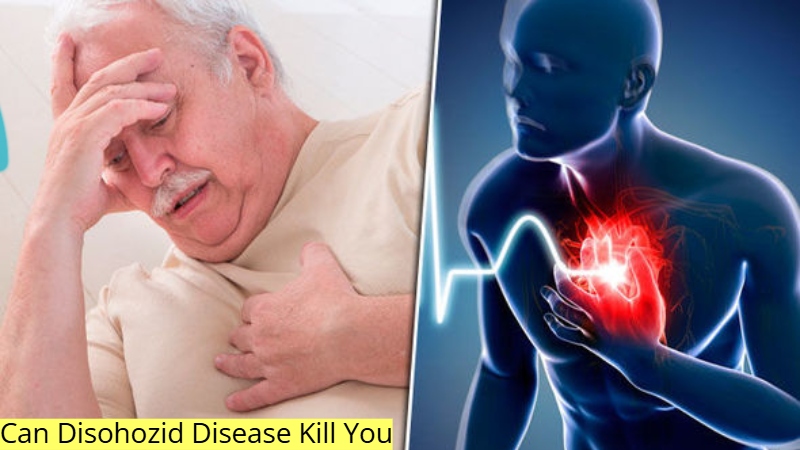
Disohozid disease is a rare and complex medical condition that has recently gained attention due to its unpredictable effects on health. Many people ask: Can Disohozid Disease Kill You? Understanding this condition is essential, as early detection and proper management can significantly impact outcomes. In this guide, we will explore what Disohozid disease is, its symptoms, potential risks, and treatment options, helping you make informed decisions about your health.
What is Disohozid Disease?
Disohozid disease is a medical condition characterized by a combination of metabolic, neurological, and systemic abnormalities. While its exact cause is still under research, studies suggest that genetic factors, environmental triggers, and immune system dysfunction play a significant role. This disease affects multiple organs and systems in the body, making its presentation unique in each patient.
Some researchers believe that the condition stems from a defect in cellular metabolism, leading to toxin accumulation in the body. Others suggest that chronic inflammation in certain tissues contributes to its progression. Because of these complexities, the disease often goes undiagnosed until serious complications occur.
Common Symptoms of Disohozid Disease
Recognizing the symptoms early is crucial in preventing severe complications. Patients with Disohozid disease may experience a variety of signs, including:
-
Chronic Fatigue: Persistent exhaustion that does not improve with rest.
-
Muscle Weakness: Difficulty in performing daily tasks due to decreased muscle strength.
-
Neurological Issues: Tingling, numbness, or cognitive difficulties like poor memory and concentration.
-
Digestive Problems: Nausea, vomiting, or irregular bowel movements.
-
Skin Changes: Rashes or unusual discoloration.
-
Weight Loss: Unexplained loss of weight over a short period.
It is important to note that symptoms vary from patient to patient, and some individuals may experience only a few of these signs. This variability often makes early diagnosis challenging. Visit Techflexor.com for more details.
How Serious is Disohozid Disease?
The severity of Disohozid disease depends on various factors, including age, overall health, and how early the condition is detected. Left untreated, it can lead to serious complications such as organ failure, severe infections, or neurological deterioration. This naturally raises the question: Can Disohozid Disease Kill You?
While fatalities are rare, they are possible in advanced cases. The risk is higher for patients who develop secondary complications, such as:
-
Liver or kidney dysfunction
-
Severe infections due to a weakened immune system
-
Neurological damage affecting vital body functions
Early intervention significantly reduces these risks, highlighting the importance of prompt diagnosis and treatment.
Diagnosing Disohozid Disease
Because of its rare nature, diagnosing Disohozid disease can be complex. Medical professionals typically follow these steps:
-
Medical History Review: Evaluating family history, previous illnesses, and lifestyle factors.
-
Physical Examination: Looking for visible signs like skin changes, muscle weakness, or neurological issues.
-
Laboratory Tests: Blood, urine, and metabolic tests help detect abnormalities in organ function and metabolism.
-
Imaging Studies: MRI, CT scans, or ultrasounds can reveal internal organ damage.
-
Genetic Testing: In some cases, identifying genetic mutations can confirm the diagnosis.
A thorough evaluation ensures accurate diagnosis and helps tailor a personalized treatment plan.
Treatment Options for Disohozid Disease
There is currently no universal cure for Disohozid disease, but various treatment strategies aim to manage symptoms and prevent complications:
1. Medication
Doctors may prescribe medications to:
-
Reduce inflammation
-
Improve metabolic function
-
Control secondary symptoms like pain, nausea, or neurological issues
2. Lifestyle Adjustments
Certain lifestyle changes can significantly improve quality of life:
-
Balanced diet rich in nutrients
-
Regular, moderate exercise
-
Stress management techniques like meditation or yoga
3. Physical Therapy
For patients with muscle weakness, physical therapy can help maintain mobility and strength.
4. Regular Monitoring
Routine check-ups allow early detection of complications, helping prevent life-threatening situations.
Can Disohozid Disease Kill You?
The direct answer is: It is possible, but not inevitable. Most patients live normal or near-normal lives with proper management. However, neglecting treatment, ignoring symptoms, or delaying diagnosis increases the risk of severe complications, which could be fatal.
Understanding the factors that contribute to mortality is essential:
-
Age: Older patients are more vulnerable.
-
Overall Health: Pre-existing conditions like diabetes or heart disease increase risk.
-
Stage of Disease: Advanced stages are more dangerous.
-
Access to Medical Care: Early and consistent treatment reduces mortality significantly.
Risk Factors and Prevention
While some risk factors like genetics cannot be changed, others can be managed to reduce the likelihood of severe outcomes:
-
Maintain a healthy lifestyle with proper nutrition and exercise.
-
Avoid exposure to environmental toxins that may trigger disease progression.
-
Regularly monitor health markers with medical professionals.
-
Seek early treatment for minor symptoms to prevent escalation.
Preventive measures are the most effective way to minimize risks associated with Disohozid disease.
Living with Disohozid Disease
Managing Disohozid disease requires a holistic approach. Patients should focus on:
-
Adhering to treatment plans recommended by healthcare providers.
-
Monitoring symptoms and reporting any changes immediately.
-
Seeking support from family, friends, or support groups to cope with emotional challenges.
-
Educating themselves about the disease to make informed decisions.
Psychological support is often overlooked but plays a crucial role in maintaining mental well-being alongside physical health.
Conclusion
Disohozid disease is a rare, multifaceted condition that requires careful attention. While the question Can Disohozid Disease Kill You may sound alarming, the reality is that early detection, consistent treatment, and lifestyle management greatly reduce fatal risks. Awareness and proactive healthcare can help patients live fulfilling lives despite the challenges posed by this disease.
If you suspect any symptoms, consult a medical professional immediately. Knowledge and timely action are your strongest tools in managing Disohozid disease effectively.